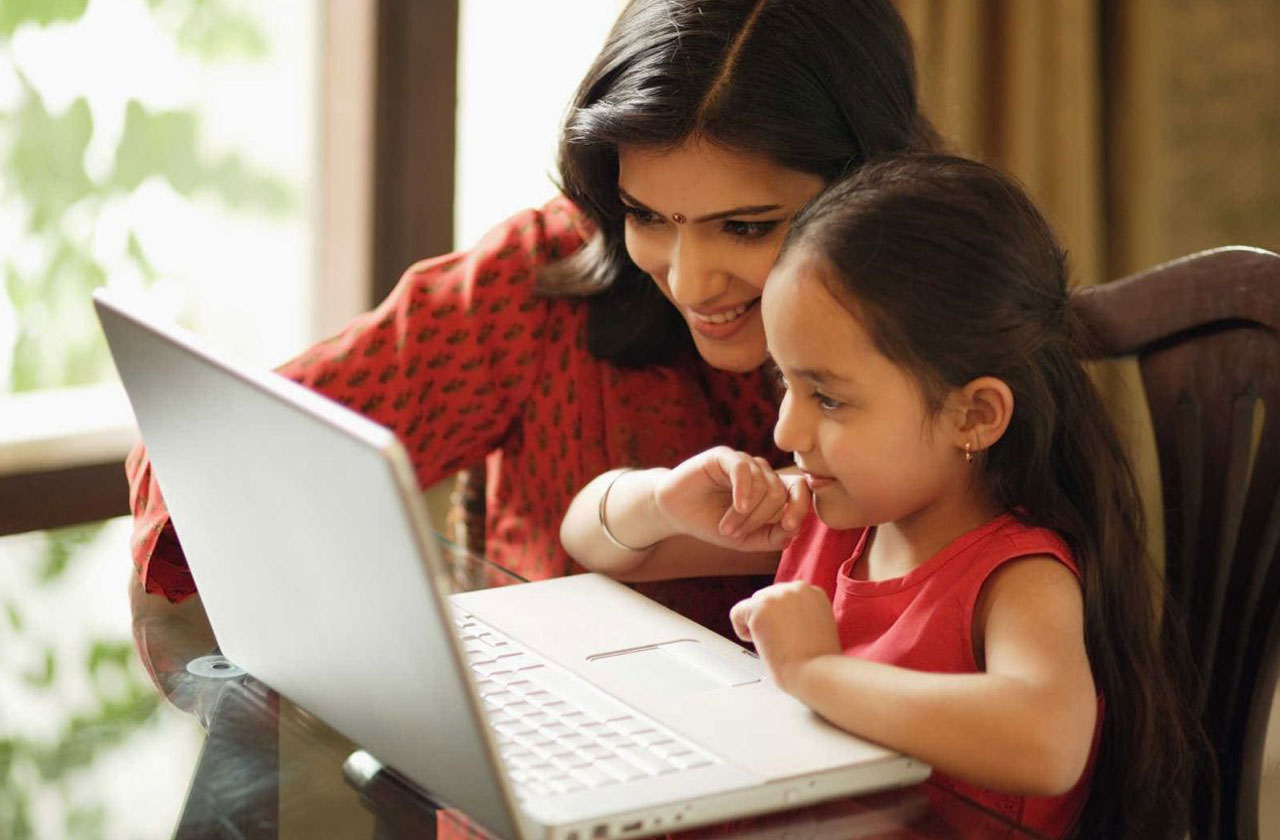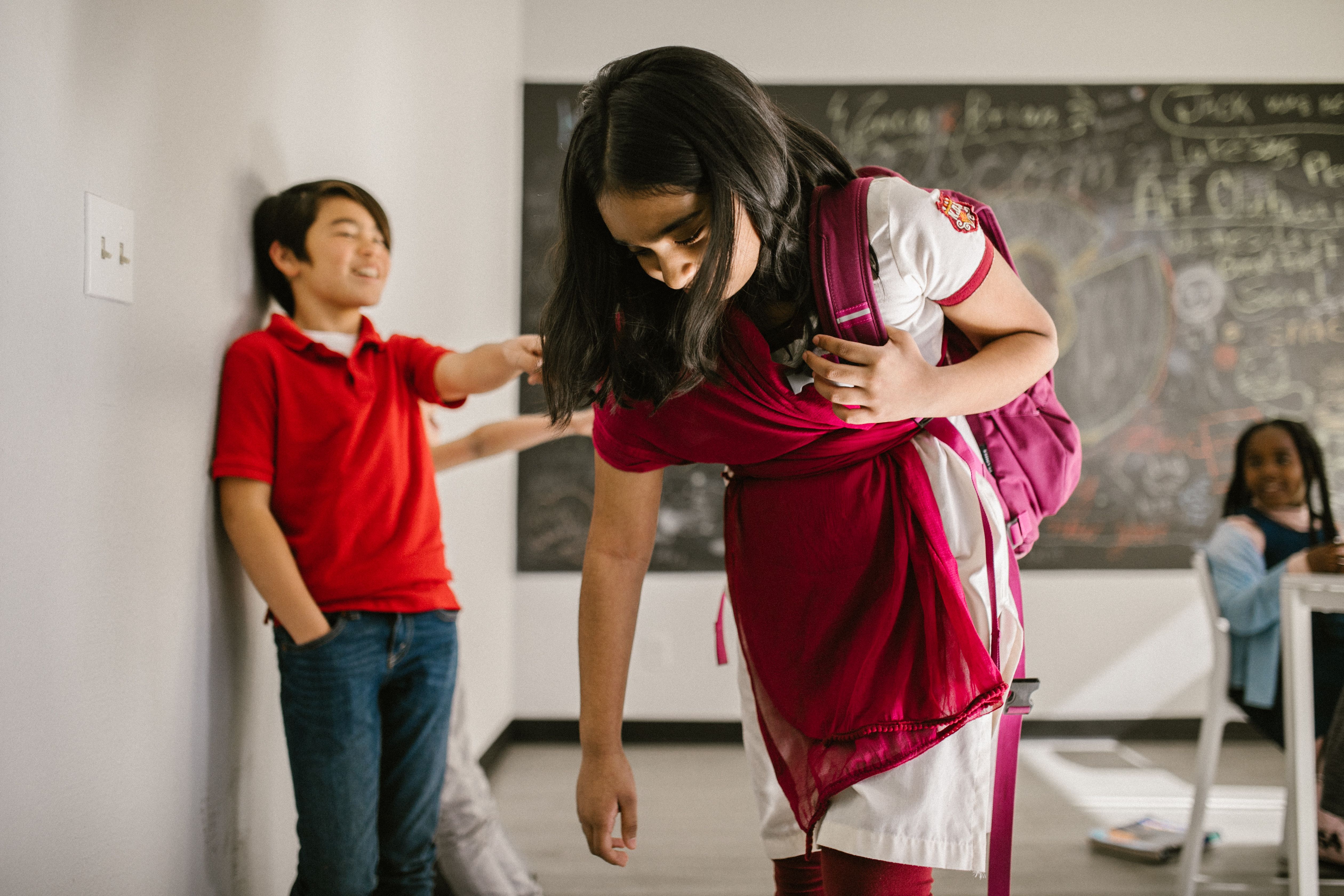


The alarm rings, the school bags are packed, and the morning rush is back. After weeks of relaxed schedules, late nights, and summer freedom, transitioning back to school can feel like a jolt to any child's system (and let's be honest, to parents too).
But back-to-school season isn't just about buying new notebooks or uniforms. It is the single best window you have to help your child establish effective, stress-free study habits that will support them throughout the academic year.
The mistake many families make is waiting for the first exams to start thinking about study routines. By then, bad habits like cramming, screen distraction, and procrastination have already set in. Starting early, with small, manageable adjustments, makes all the difference.
This guide is a practical, grounded resource for parents who want to help their children build focus, learn actively, and feel confident as they step into the new academic year.
What You'll Find in This Guide
- How to transition sleep and routine schedules gently
- The 5 core study habits that build long-term academic confidence
- How to shift from rote learning to active learning methods
- Practical ways to set up a distraction-free home study environment
- How Paathshala's platform supports students with free study tools and live classes
1. Re-Establish Routines Gently (Before School Starts)
You can't expect a child who has been sleeping at 11 PM and waking up at 9 AM all summer to suddenly wake up fresh and focused at 6 AM on day one. Time drift is real, and the fatigue of the first week back can quickly lead to stress and resistance.
Instead of a sudden shock, shift your child's sleep and wake-up times by 15 minutes each day starting a week before school. By the time the school gates open, their internal clock is already aligned.
Do the same with screen time and quiet time. Gradually introduce a 45-minute block in the afternoon where they read, draw, or solve puzzles. This helps their brain rebuild the stamina required for sustained focus in a classroom environment.
2. Create a Dedicated, Distraction-Free Study Space
Where your child studies matters as much as how they study. Studying on the bed leads to sleepiness; studying in front of the TV leads to divided attention. A dedicated space acts as a cognitive trigger: when your child sits there, their brain knows it's time to focus.
Here's how to optimize this space:
- Remove the phone. Even having a phone on the desk, face down, reduces cognitive capacity. Keep all phones in another room during study blocks.
- Keep it organized. Ensure textbooks, notebooks, and pens are within arm's reach. Getting up to find a ruler is the perfect excuse to get distracted.
- Let them personalize it. Let your child choose a small desk plant, a motivational quote, or organize their files. Ownership of the space drives a willingness to use it.
If you're looking to bring this structured space online, Paathshala's digital environment mimics a clean, focused desk. In our dedicated study space page, students can access chapter nodes, diagrams, and study guides in a single tab, preventing them from opening browser tabs that lead to distractions.
3. Shift from Rote Learning to Active Recall
For generations, the default study method in India has been re-reading notes or highlight-marking textbooks. But cognitive science has proven that this is one of the least effective ways to learn. It creates an "illusion of competence" — the child feels like they know the material because it looks familiar, but they struggle to retrieve it during an exam.
The solution is Active Recall — forcing the brain to retrieve information from memory rather than passively reviewing it. This strengthens neural pathways and ensures long-term retention.
How to practice Active Recall at home:
- Flashcards: Write a concept on the front and the explanation on the back. Test regularly.
- Self-Quizzing: Instead of reading a chapter again, have your child answer questions about it from memory.
- The Feynman Technique: Ask your child to explain a topic to you in simple terms, as if they were teaching a 10-year-old. If they struggle or use complex jargon, it highlights gaps in their understanding.
To make active learning simple, Paathshala's library features built-in active recall modules. Students can use interactive chapter flashcards and take topic-specific quizzes that immediately highlight areas that need revision, replacing passive reading with active testing.
4. Meet Mitra: The Empathetic AI Study Companion
Sometimes, students get stuck on a difficult formula or a complex history chapter. If a parent is busy or a teacher isn't available, the student often gets frustrated and quits.
That is where **Mitra** comes in. Mitra is Paathshala's empathetic AI study companion integrated directly into the library. Unlike generic AI chatbots that just output answers, Mitra acts as a patient tutor. It explains concepts in multiple ways, translates text, breaks down complex paragraphs, and can even generate custom quiz questions from any text the student selects.
Mitra also features voice synthesis, reading text aloud to help auditory learners or students who struggle with reading comprehension. It represents a safe, constructive way to leverage technology to support daily self-study.
5. Personalize the Path with Live 1-on-1 Classes
Every child learns differently and has different interests. While school focuses on a standardized curriculum, building a future-ready child requires nurturing their individual strengths.
Whether it's public speaking to build confidence, chess to improve strategic thinking, coding to develop logic, or support in school subjects — personal attention makes a measurable difference. A private tutor who understands your child's pace and style can build their confidence far faster than a classroom of 30 students.
Paathshala connects students with expert live tutors for structured, one-on-one learning. The classes are designed to fit around your family's schedule and focus entirely on your child's needs, helping them build a strong portfolio of projects and skills throughout the year.
Frequently Asked Questions
Q: How can I help my child transition back to school routines?
Start shifting sleep, wake-up, and screen schedules by 15 minutes each day starting a week before school. Gradually introduce quiet reading or study blocks in the afternoon to rebuild focus stamina.
Q: What is Active Recall, and why is it better than re-reading?
Active Recall is forcing the brain to retrieve information from memory (e.g., using flashcards or quizzes) rather than passively looking at it. It strengthens memory retention and has been proven by cognitive science to be far more effective than re-reading or highlighting notes.
Q: How do I set up a good study environment at home?
Choose a dedicated desk or table away from distractions (like TV or bed). Remove mobile phones from the study area during study blocks. Ensure all study materials are organized and within arm's reach.
Q: What is Mitra, and how does it help students?
Mitra is Paathshala's AI study companion. Integrated into the free library, it helps students by explaining complex paragraphs, translating text, generating practice questions, and reading material aloud to support self-study.
Q: Does Paathshala offer curriculum-aligned study materials?
Yes! Paathshala's Free Student Library is aligned with the CBSE/ICSE curriculum for Classes 1 to 12. It contains NCERT-aligned chapter summaries, interactive flashcards, quizzes, and access to the Mitra AI companion at zero cost.
Paathshala offers a free CBSE/ICSE curriculum library for Classes 1 to 12 alongside live, one-on-one skill-based and academic classes. Book a free demo session today or explore the Free Student Library to kickstart the academic year.