In This Article
Why skills matter more than marks
5 essential skills for 2026
Skills not taught in school
Developing skills at home
Best ways to build skills
Conclusion
FAQs
"If you've ever sat at the dinner table wondering, 'Is my child learning the right things?' - you're not alone. Every parent feels it. And in 2026, the question matters more than ever."
The world is changing so fast that what worked for us growing up doesn't always apply anymore. And yet, most of us are still measuring our children's success through report cards and exam scores.
Here's the truth: the skills for kids in 2026 that will actually matter go far beyond textbooks. They're the skills that help your child think, communicate, create, and connect - in a world that looks very different from the one we grew up in.
This blog is for every parent who wants to give their child a real head start - not just academically, but in life.
Why Skills Matter More Than Marks in 2026
Remember when getting good grades almost guaranteed a good career? That equation is quietly changing.
Today's employers - and tomorrow's - are looking for people who can solve problems, collaborate, and adapt. Artificial intelligence is already handling routine tasks. What it can't replace is a curious, creative, emotionally aware human being.
That's why future skills for students are no longer optional extras. They are the foundation. Schools are trying to catch up, but the honest truth is that a lot of this development starts at home - with you.
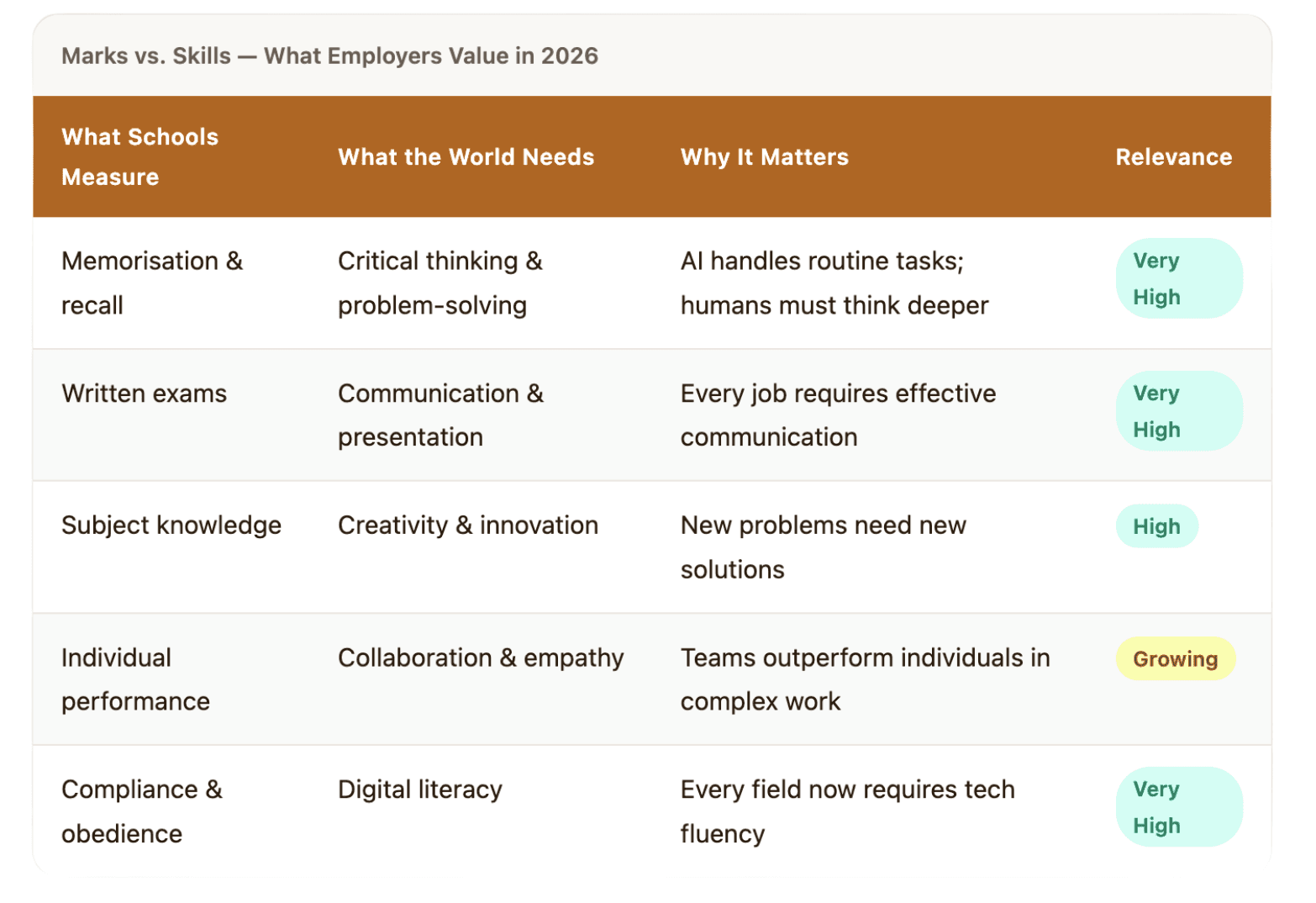
Think about it this way: teaching your child to memorise answers prepares them for a test. Teaching them how to think prepares them for life.
5 Essential Skills Every Child Should Learn in 2026
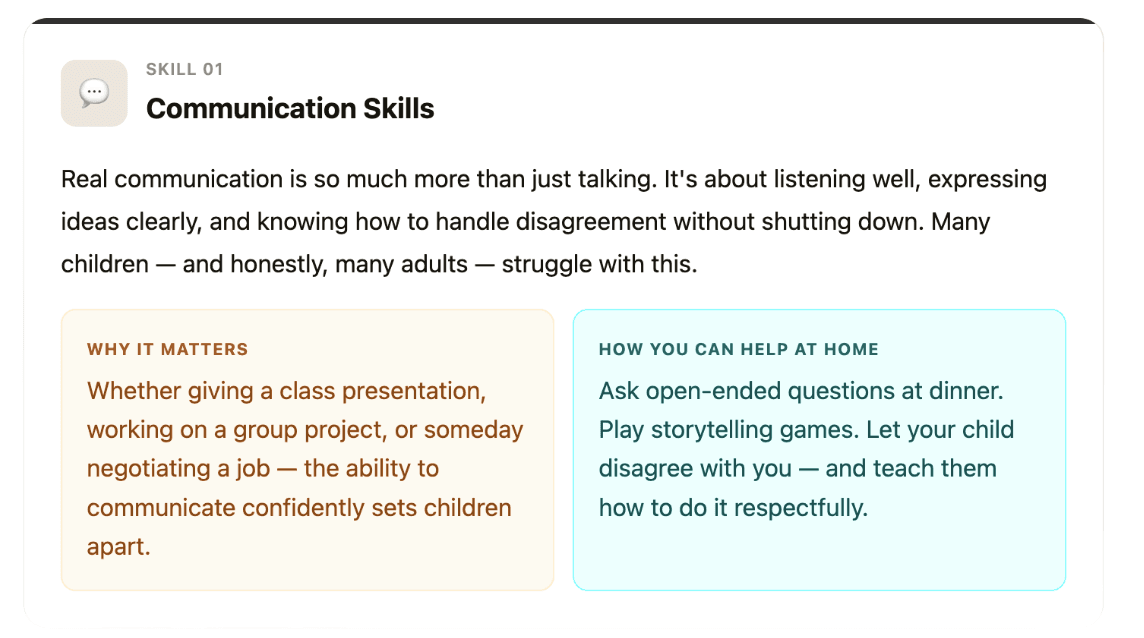
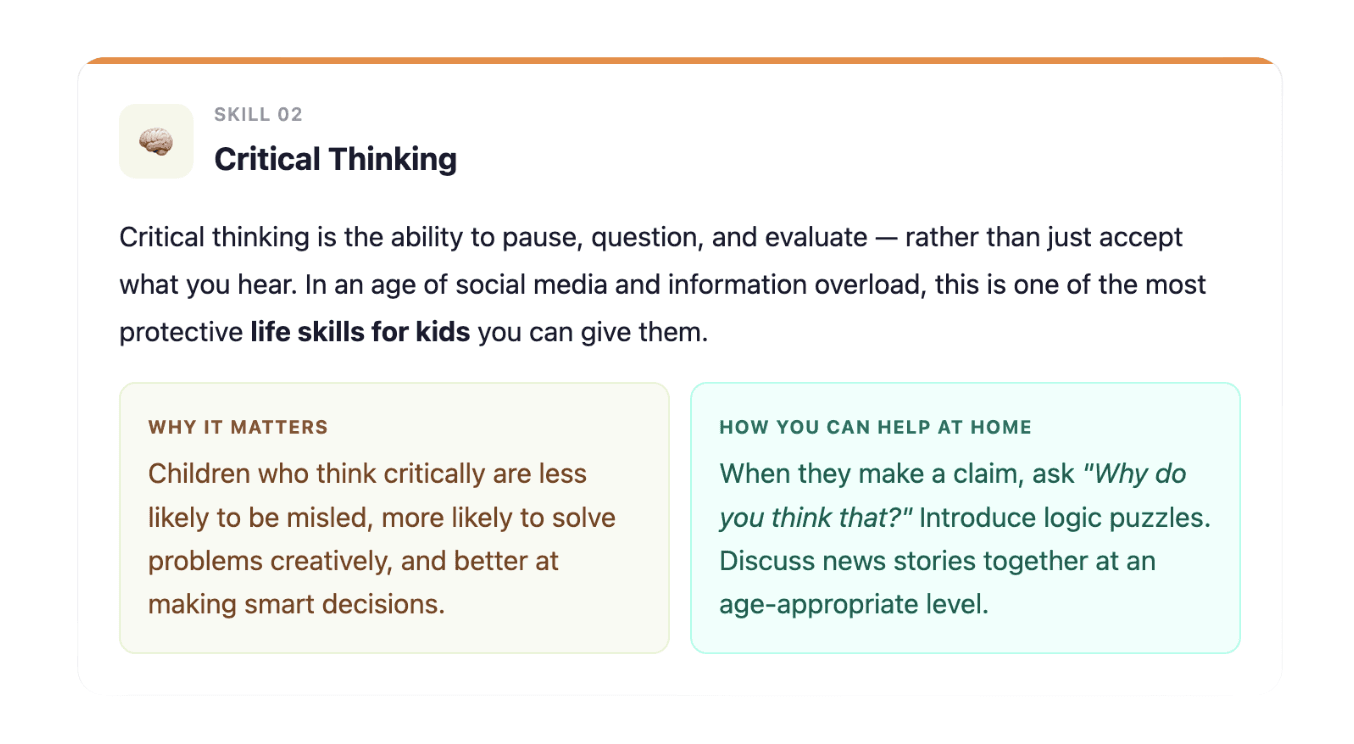
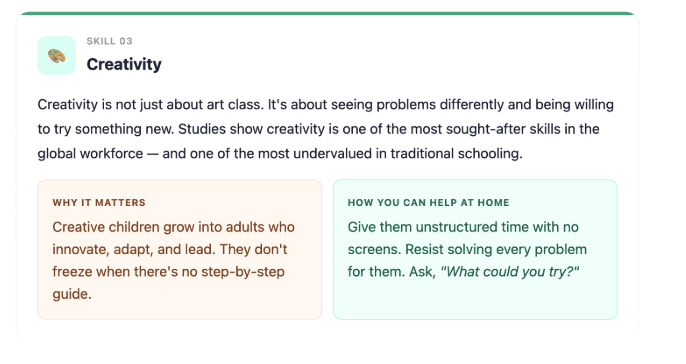
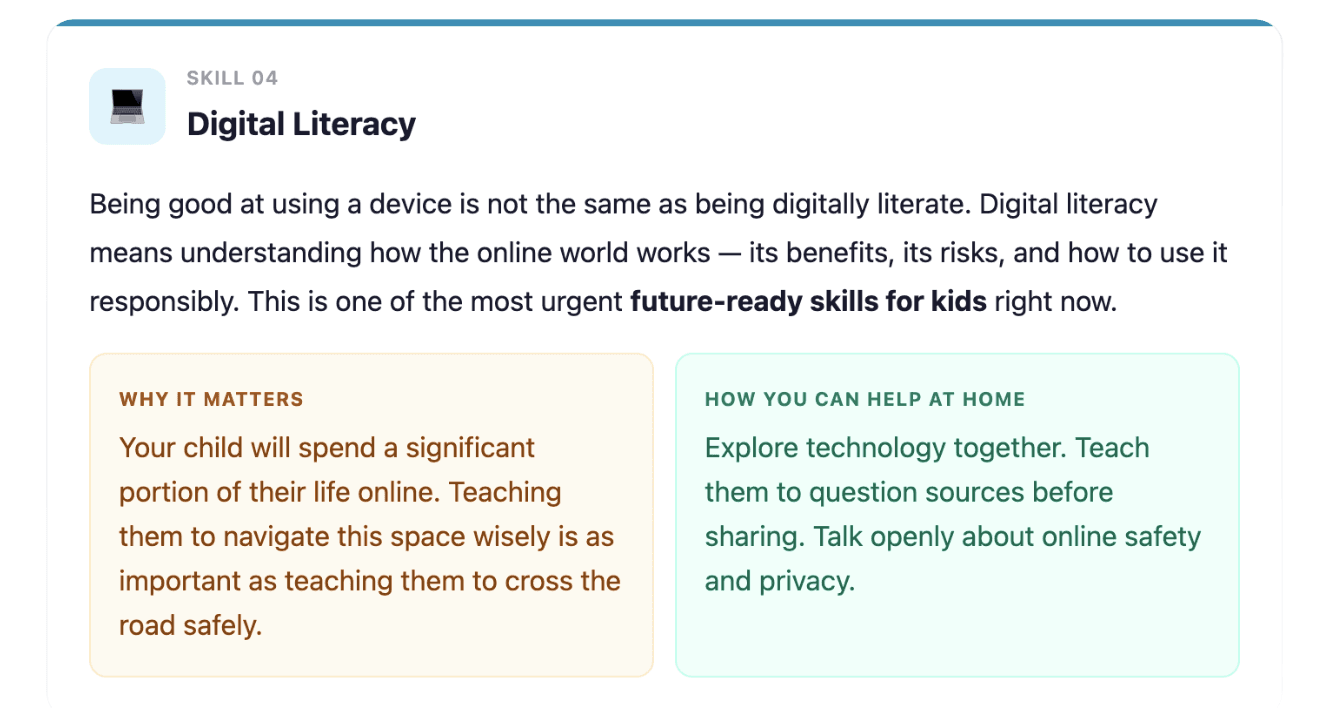
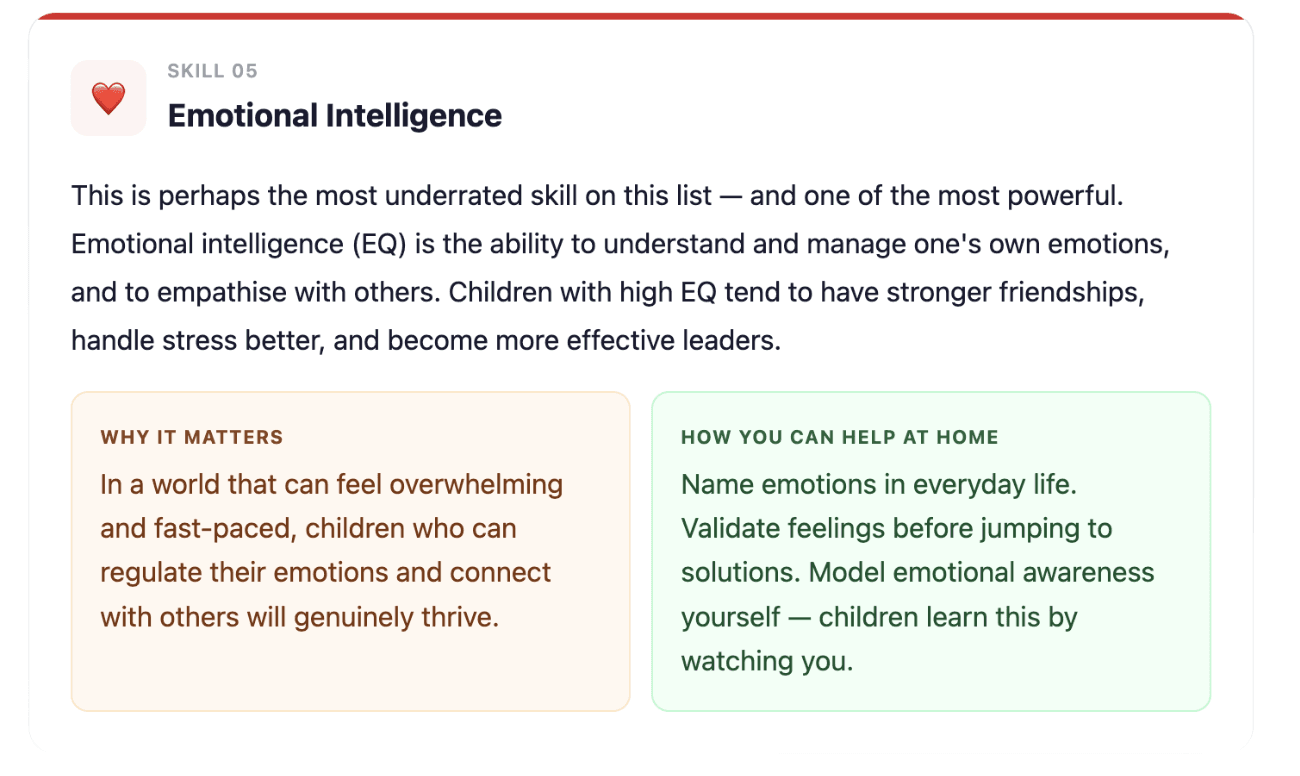
Here are five essential skills for children that every parent should know about - and actively nurture.
Skills Kids Are Not Taught in School
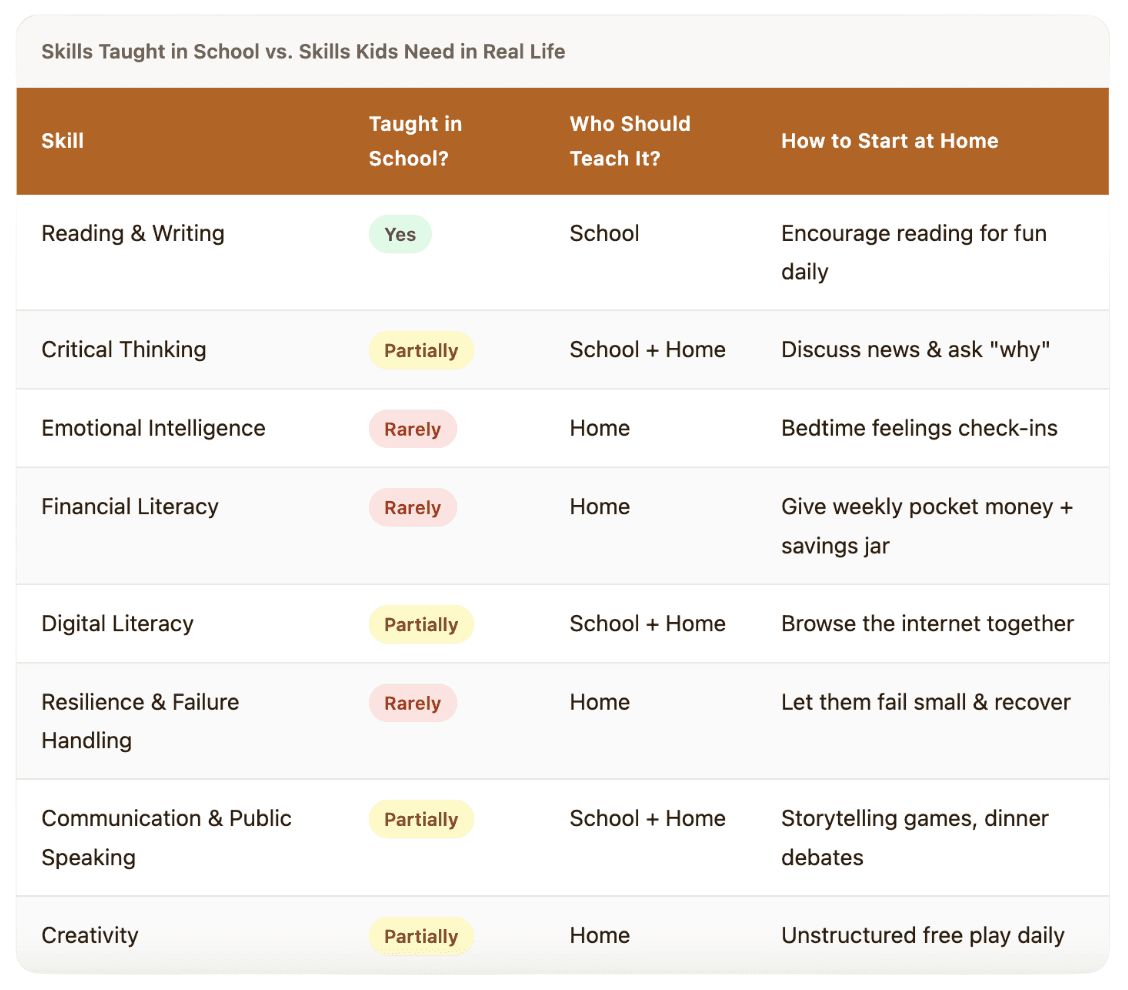
Here's something most parents don't realise: many of the most practical skills for kids — like managing money, dealing with failure, thinking independently, or even cooking a basic meal — are rarely covered in classrooms.
Schools are built around curricula, exams, and academic benchmarks. That's not a criticism; it's just the reality. The skills not taught in school — resilience, empathy, financial awareness, self-discipline — often fall entirely on parents.
How Parents Can Develop These Skills at Home
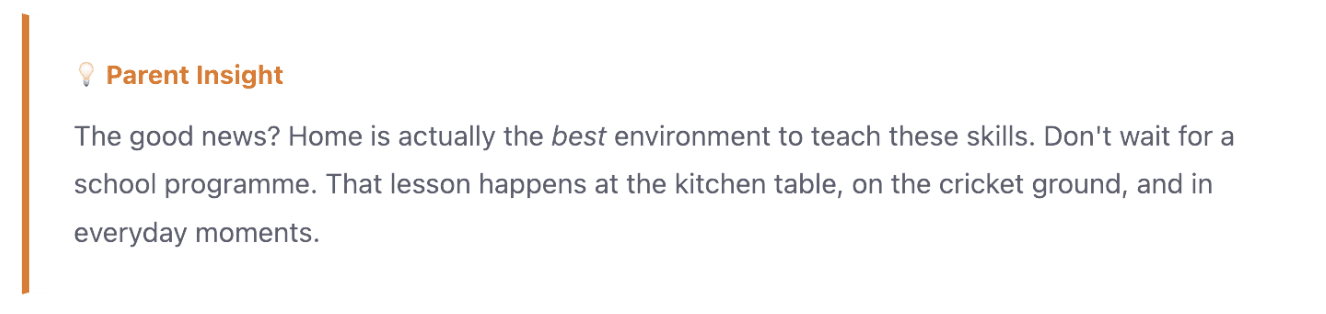
You don't need to be a teacher or invest in expensive resources. Here are simple, effective activities to build skills in kids that any parent can start today.
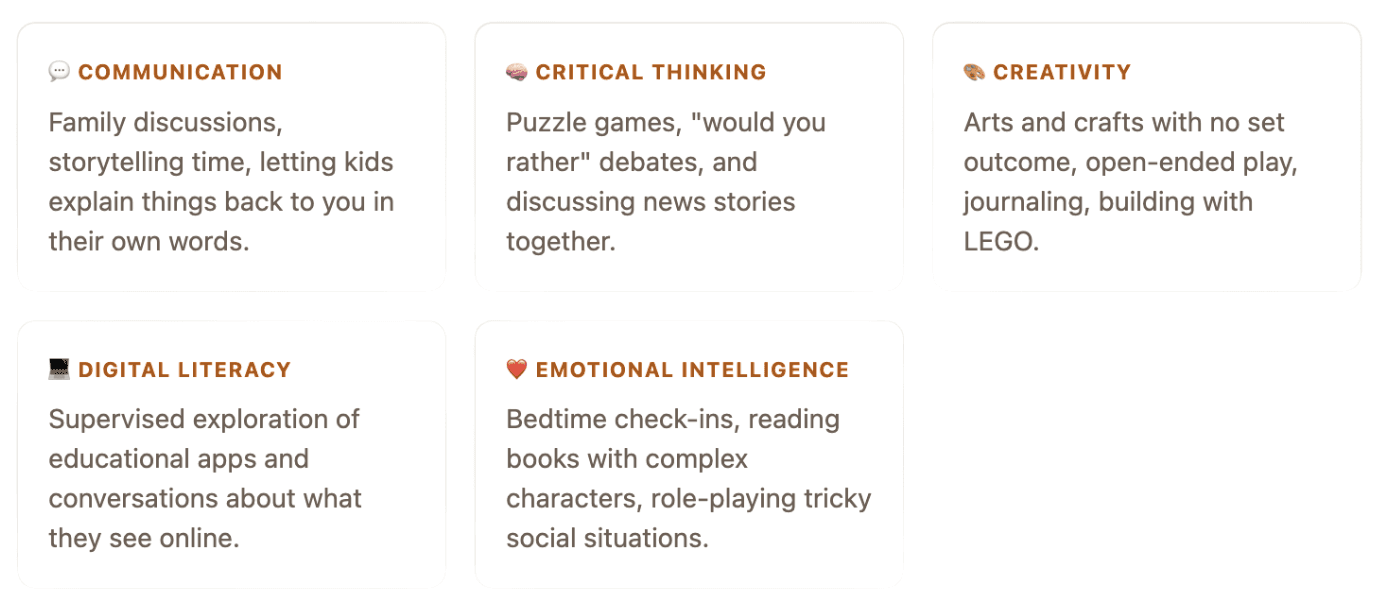
The key to how to develop skills in kids is consistency over intensity. Ten minutes a day beats a one-time workshop every time.
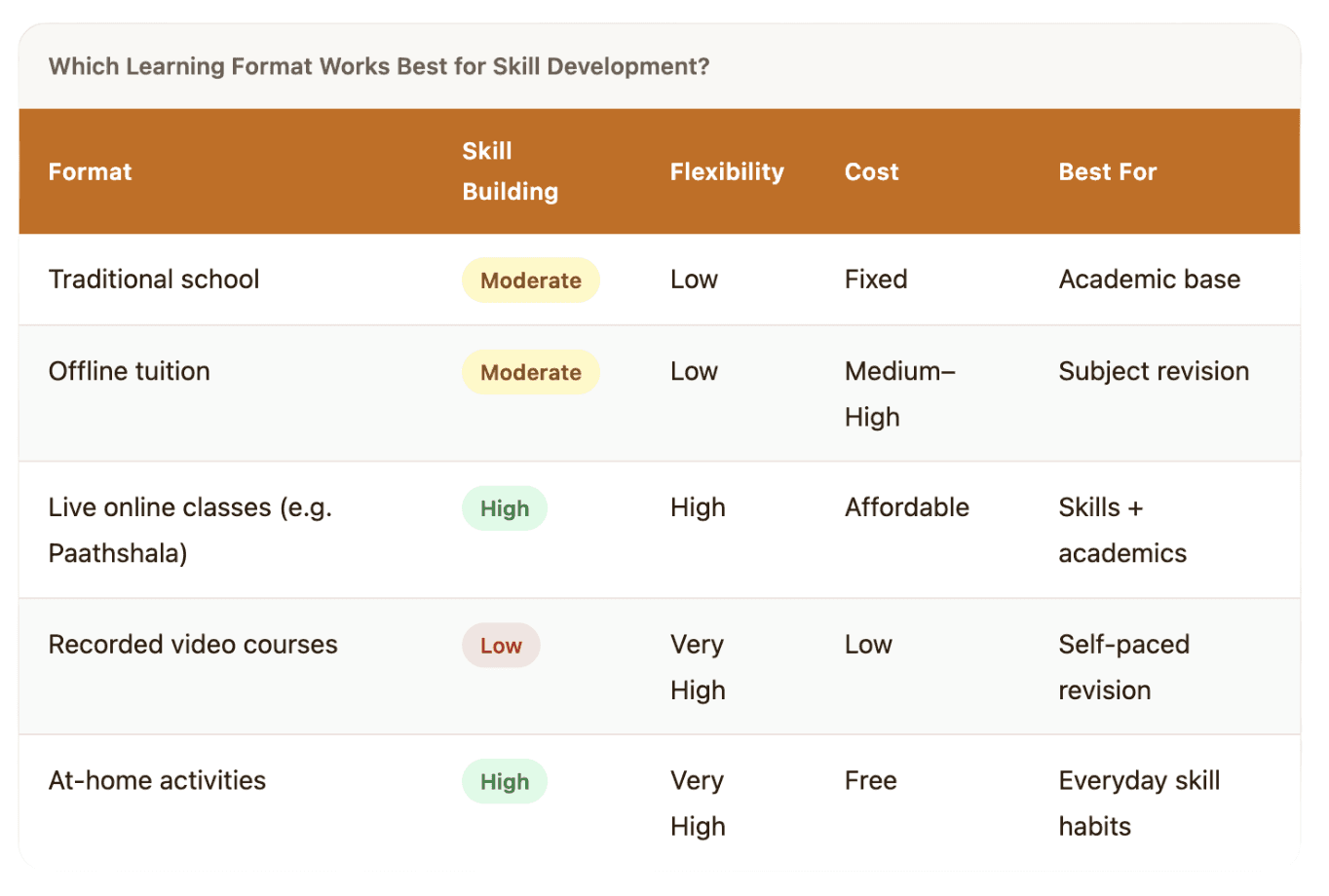
Best Ways to Help Your Child Learn These Skills
Beyond everyday home activities, structured learning environments can make a significant difference — especially when children learn alongside peers and with trained educators who know how to make skill-building engaging.
Look for learning spaces that:
Encourage participation over passive listening
Build confidence through projects and presentations
Connect learning to real-world situations
Give children feedback they can actually grow from
In Conclusion
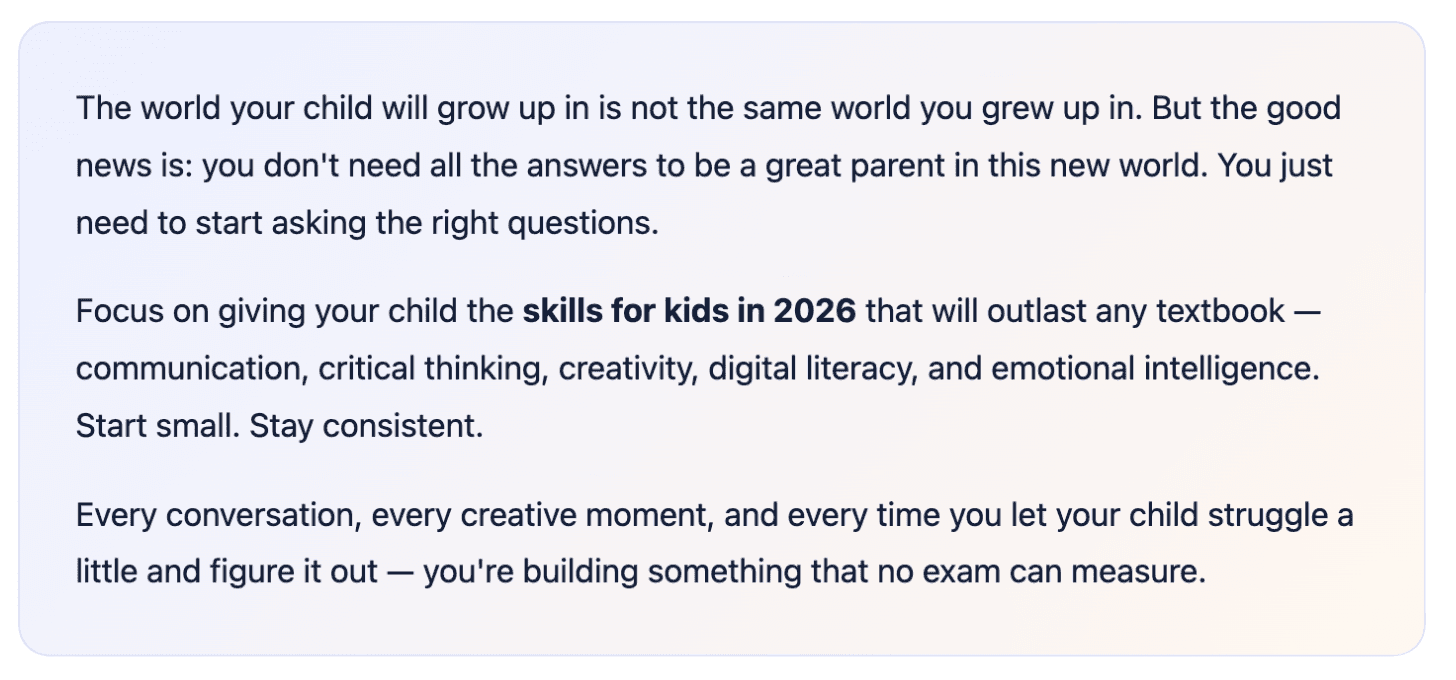
The world your child will grow up in is not the same world you grew up in. But the good news is: you don't need all the answers to be a great parent in this new world. You just need to start asking the right questions.

Frequently Asked Questions
What skills should children learn in 2026?
The most important skills for kids in 2026 are communication, critical thinking, creativity, digital literacy, and emotional intelligence. These go beyond academics and prepare children for a fast-changing world where adaptability and human skills matter most. You can explore more on our Paathshala blog.
How can I develop skills in my child at home?
You don't need special programmes to start. Simple daily habits work best — ask open-ended questions, give unstructured play time, discuss stories together, and model the skills you want them to develop. Consistency beats intensity every time. Check out our Student Library for curated resources.
Which skill is most important for children today?
There's no single answer, but emotional intelligence is often the most overlooked and most impactful. Children who understand and manage their emotions tend to build stronger relationships, handle stress better, and become more resilient — qualities that support everything else they do.
Can skills be taught at a young age?
Absolutely. In fact, the earlier you start, the better. Skills like curiosity, empathy, and communication begin forming in the first few years of life. Parents are the first and most influential teachers — and home is the first classroom. Paathshala supports children from Class 1 onwards with skill-building live classes.
Are online classes good for skill development in kids?
Absolutely. In fact, the earlier you start, the better. Skills like curiosity, empathy, and communication begin forming in the first few years of life. Parents are the first and most influential teachers — and home is the first classroom. Paathshala supports children from Class 1 onwards with skill-building live classes.
Author:
Apeksha Negi
Content
Share on:
Related post