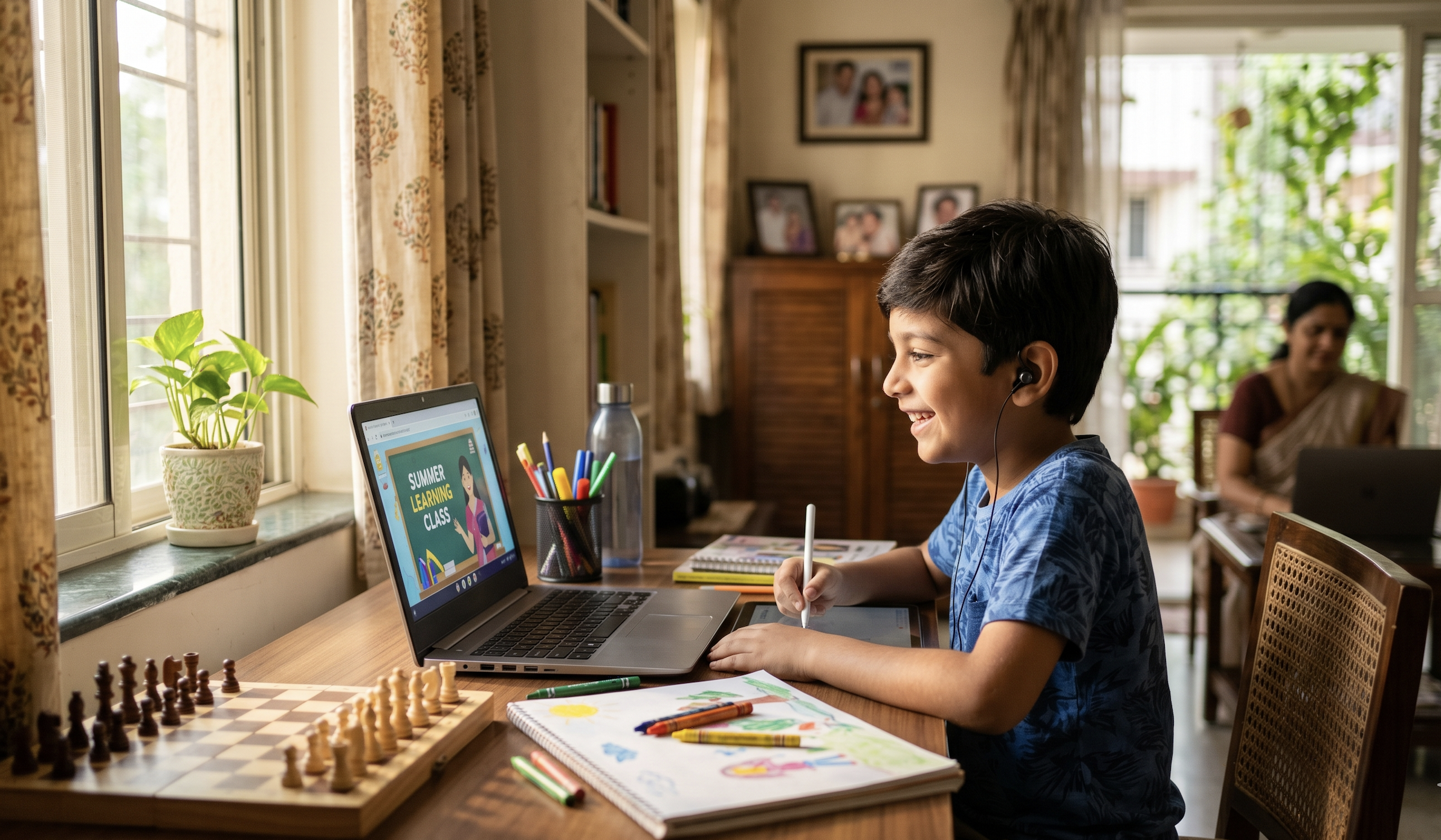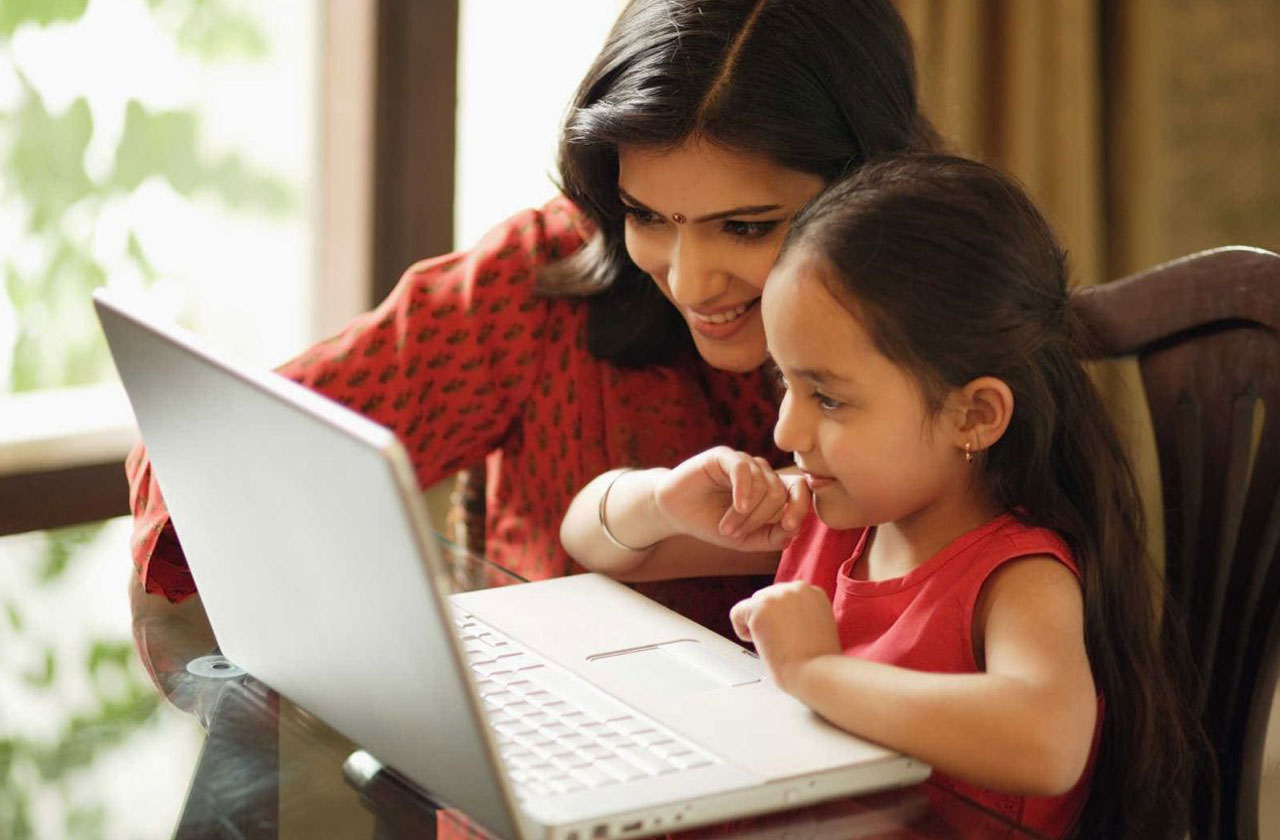

Your child is on a screen — again. YouTube, games, reels. You wonder: is any of this actually useful?
Here's the thing most parents don't realise: the same screen that's eating your child's time can become the tool that builds their future. The difference is what they're doing on it.
Coding is one of the most valuable skills a child can develop today — not because every child will grow up to be a software engineer, but because coding teaches them how to think. It builds problem-solving, creativity, and the ability to break down complex challenges into manageable steps. These are skills that matter in medicine, business, design, science — any field your child might eventually choose.
And if you're reading this during the school holidays, you're already ahead. Summer vacation is genuinely one of the best times to start. No exam pressure, more free time, and the mental space to explore something new without it feeling like homework.
This guide will walk you through everything you need to know — clearly, honestly, without the jargon.
What You'll Learn in This Guide
- What is coding, really?
- Why children benefit from learning to code early
- The right age to start (it varies by child)
- Which programming language makes sense for beginners
- Why online coding classes beat self-learning for most kids
- Common parent concerns — answered honestly
- Why summer is the perfect time to start
- How to choose a coding class that's actually worth it
- How Paathshala helps children go from zero to building real projects
What Is Coding?
Coding — also called programming — is the process of giving a computer a set of instructions to follow.
Think of it like a recipe. When you write a recipe, you're telling someone exactly what to do, in what order, and under what conditions ("if the dough is sticky, add more flour"). A program works the same way, except the instructions are written in a language the computer understands.
When your child builds a game in Scratch, they're telling characters when to move and what to say. When they write a Python script, they're instructing the computer to solve a problem or automate a task. Even the websites and apps your family uses every day were built by someone who learned to code exactly this way — by starting with the basics.
Coding for beginners isn't about memorising commands. It's about learning to think logically, spot patterns, and solve problems step by step. That's a skill that transfers everywhere.
Why Should Kids Learn Coding Early?
It Teaches Problem-Solving in a Hands-On Way
When a child writes a program that doesn't work, they have to figure out why. That process — spotting the error, forming a hypothesis, testing a fix — is real scientific thinking. It becomes second nature with practice.
It Builds Logical Thinking
Coding requires sequencing thoughts: first this happens, then this, but only if this condition is true. Children who code regularly get noticeably better at structured thinking — which shows up in maths, reading comprehension, and even their everyday reasoning.
It Sparks Creativity
Contrary to what many parents assume, coding is deeply creative. Children build games, animations, websites, and tools of their own imagining. The constraint of making something actually work pushes creativity in a uniquely satisfying direction.
It Builds Genuine Confidence
There's something powerful about showing a parent or friend a program you built from scratch. Children who code develop a "I can figure this out" mindset that extends well beyond the screen.
It Opens Career Doors — in Every Field
Software, data science, AI, robotics, digital marketing, healthcare tech, finance — coding underpins nearly every growing industry. Starting early gives children a long runway to develop real competence.
It Promotes Digital Literacy
Understanding how technology works makes children more thoughtful about how they use it. They stop being passive consumers and start thinking like creators.
What Is the Right Age to Start Coding?
There's no single right age — but here's a practical guide by stage:
Ages 7–10: Building Blocks
Young children learn best through visual, drag-and-drop environments. Platforms like Scratch make it possible to create animations and simple games without typing a single line of text. The goal at this stage isn't learning syntax — it's understanding the logic of coding: sequences, loops, conditions, and events.
Children as young as 7 can start coding if they enjoy games or storytelling. Progress is incremental, and the key is keeping it fun.
Coding classes for Class 7 students (typically ages 11–12) can go deeper — introducing text-based programming for the first time while still keeping projects engaging.
Ages 11–14: Going Deeper
This is the ideal window to transition to real programming languages like Python. Children at this age have stronger abstract reasoning, can handle more complex logic, and are often motivated by building things they can actually show friends and family.
Projects at this stage might include simple games, automation scripts, small websites, or basic data analysis — all things that feel genuinely impressive and useful.
Coding classes for teens in this range can cover Python fundamentals, web development basics, and introductory data concepts.
Ages 15–18: Specialisation and Career Prep
Older students can focus on specific tracks: full-stack web development, data science, app development, or AI and machine learning. Those considering engineering, computer science, or tech-adjacent fields benefit enormously from starting this work before college.
Coding classes after 12th are also a strong option for students taking a gap year or exploring their interests before choosing a degree path.
Which Programming Language Should Beginners Learn?
This is the question most parents ask first — and the answer depends on your child's age and interests. Here's a clear comparison:
| Language | Best For | Why It's Useful |
|---|---|---|
| Scratch | Ages 7–11 | Visual, block-based; perfect for logic without syntax pressure |
| Python | Ages 10+ | Simple, readable syntax; used in data science, AI, automation, and web development |
| HTML/CSS | Ages 11+ | Foundation for web development; satisfying because results are immediately visible |
| JavaScript | Ages 13+ | Makes websites interactive; widely used in web and app development |
| AI/ML Pathways | Ages 14+ | Built on Python; introductory exposure to machine learning concepts |
Why Python Is the Most Recommended First Language
If your child is 10 or older and ready to move beyond drag-and-drop, Python is almost universally recommended as the best starting point.
Here's why:
- The syntax reads almost like English, which makes it far less intimidating for beginners
- It's versatile — Python is used in web development, data analysis, artificial intelligence, automation, and scientific research
- It has one of the largest communities in the world, meaning plenty of tutorials, help forums, and open-source projects
- Major universities and coding courses for beginners start with Python precisely because it lets learners focus on thinking like a programmer rather than wrestling with confusing syntax
Python coding classes give children a skill that's immediately applicable and opens doors into some of the most exciting and well-paid areas of technology. Python coding course fees also tend to be accessible relative to the depth of knowledge gained.
Why Online Coding Classes Are Better Than Self-Learning for Most Children
There are hundreds of free coding websites and free coding courses for beginners online. So why enroll in a structured class?
Here's what self-learning often misses:
Structure. Free resources teach isolated concepts but rarely guide a learner from beginner to competent in a coherent sequence. Children often get stuck, lose motivation, and stop.
Accountability. Knowing a teacher and classmates are expecting you creates consistency. Self-directed learning requires adult discipline that most children simply haven't developed yet.
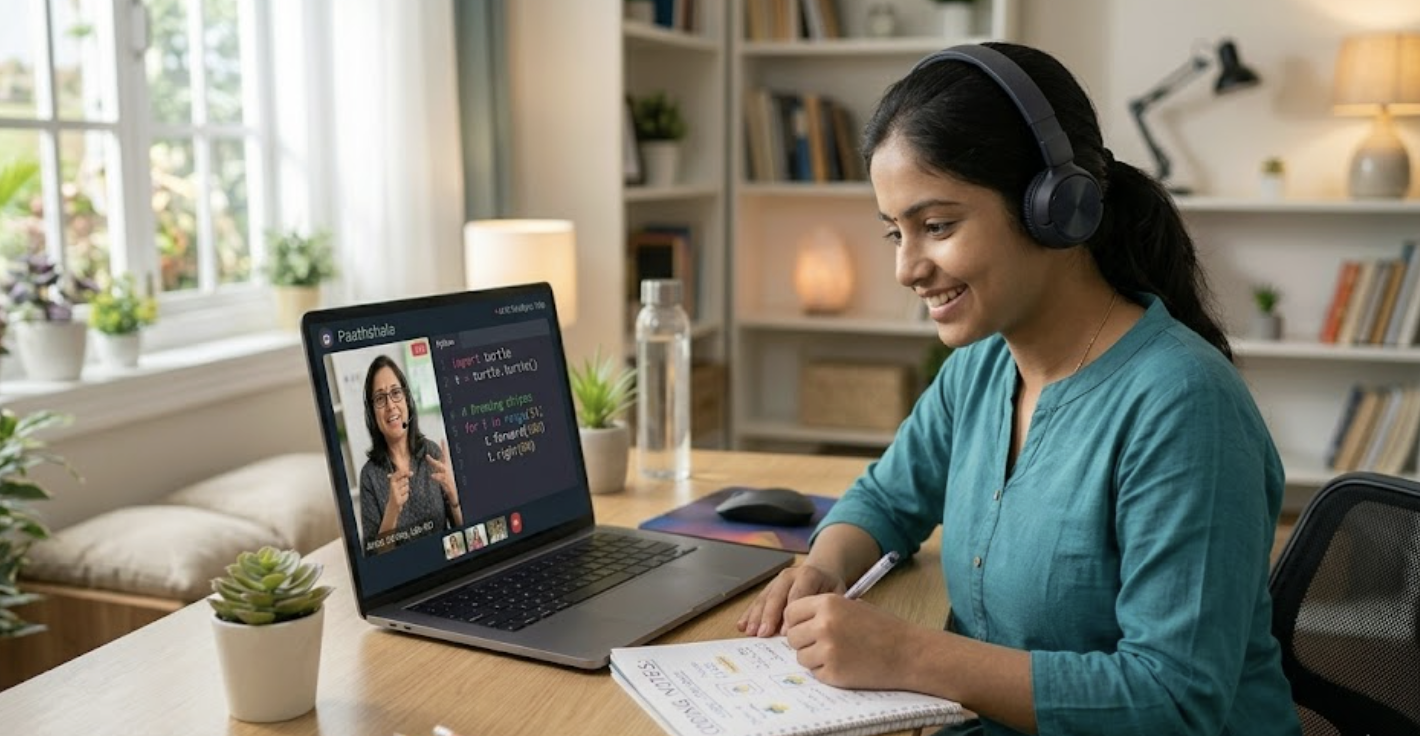
Live guidance. When a child is stuck on a bug or confused by a concept, a live teacher can diagnose the problem in minutes. A YouTube video can't. An online coding class with live instruction closes this gap entirely.
Personalised feedback. Good coding education isn't just about following along — it's about building projects and getting specific, constructive feedback on your approach. This is nearly impossible with recorded content.
Project-based learning. The best online coding classes for beginners are built around real projects: games, websites, scripts, and tools that children can show off. This keeps motivation high and builds a portfolio over time.
Structured online coding classes — especially live ones — give children the combination of guidance, accountability, and challenge that most need to make real progress.
How to Choose the Best Online Coding Classes
Not all coding platforms are equal. Here's a practical checklist when evaluating options:
| What to Look For | Why It Matters |
|---|---|
| Live classes (not just recorded videos) | Real-time interaction and feedback makes a measurable difference in outcomes |
| Experienced teachers | Teaching children requires different skills than knowing how to code |
| Small batch sizes | 1:1 or small groups mean your child actually gets attention |
| Project-based curriculum | Building real things keeps children motivated and produces tangible results |
| Flexible scheduling | Important for families with varied routines and school commitments |
| Transparent coding course fees | No hidden costs; clear pricing for the value offered |
| Free demo or trial class | Any reputable platform should let you experience the class before committing |
| Beginner-friendly onboarding | Clear starting points for children with zero prior experience |
Online coding courses with certificates can also be valuable for older students (14+) who want something to show college admissions or future employers.
The best coding classes online combine live instruction, small groups, and project-based learning at a price that doesn't require a significant financial stretch. Be wary of platforms with very large batches or purely pre-recorded content dressed up as "live" learning.
Why Parents Choose Paathshala for Coding Classes
Paathshala is an online learning platform built specifically for children aged 7–18, offering live, interactive coding classes at pricing that's genuinely accessible for Indian families.
Here's what makes the experience different:
Live classes, not recordings. Every session is taught live by an experienced teacher. Children can ask questions, get immediate feedback, and work through problems in real time — the way learning is supposed to work.
Curriculum from beginner to advanced. Whether your child is 8 years old and picking up Scratch for the first time, or 16 and ready to explore Python data science and AI foundations, Paathshala has a structured path designed for their level.
Check out Paathshala's coding classes
Python, web development, and AI foundations. The core tracks cover the languages and skills that matter most — Python coding, HTML/CSS, JavaScript basics, and introductory AI and machine learning concepts for older students. Python coding classes are structured to take a complete beginner through to building real, working programs.
Small batches with individual attention. Classes are kept intentionally small so teachers can track every child's progress, adjust the pace when needed, and ensure no one gets left behind.
Flexible scheduling. Sessions are available at multiple times across the week, making it practical to fit coding into any family's routine — including during the school year.
Affordable pricing. Paathshala's coding course fees are significantly lower than many of the large international platforms — without compromising on the quality of teaching or curriculum depth.
Progress tracking for parents. Parents receive regular updates on what their child is learning and building — so you're never in the dark about how the classes are going.
The goal is simple: give every child access to quality coding education, taught by real teachers, in a structured environment that makes real progress possible.
Book a Free Demo Coding Class
The best way to know if Paathshala is right for your child is to experience a class.
Paathshala offers a free demo session — no payment required, no commitment.
In the demo, your child will:
- Meet their teacher and get a feel for the class format
- work through an introductory coding exercise suited to their level
- Get a sense of the curriculum and what the journey ahead looks like
It's also a useful session for parents. You'll understand exactly what your child will be learning, how the classes are structured, and what kind of progress is realistic in the first few months.
Summer goes faster than it feels. If coding has been on your list, this is a low-friction way to find out whether it's a good fit — before spending anything at all.
Frequently Asked Questions
Q: What is the best age to start coding? A: Children can begin learning coding concepts from as early as age 7 using visual tools like Scratch. For text-based programming like Python, ages 10–12 is typically a good starting point. There's no upper limit — teens and young adults benefit significantly from learning to code at any stage.
Q: Which is the best programming language for kids to learn first? A: For children aged 10 and above, Python is widely considered the best first language — it's readable, versatile, and directly applicable to data science, AI, web development, and automation. Younger children (7–10) do well starting with Scratch before transitioning to Python.
Q: Are online coding classes effective for children? A: Live online coding classes are highly effective, particularly when they involve real-time teacher interaction, small batch sizes, and project-based learning. They offer the same quality of instruction as in-person classes with the added flexibility of learning from home.
Q: How much do coding classes cost? A: Coding course fees vary widely by platform. Large international platforms can charge ₹20,000–₹50,000+ per year. Platforms like Paathshala are designed to keep costs accessible for Indian families without reducing teaching quality. A free demo class is a good way to evaluate any platform before committing.
Q: Do coding classes affect school performance? A: Most parents report neutral to positive impact. The logical thinking developed through coding supports maths and analytical subjects. The key is a schedule that doesn't conflict with study time — most good platforms offer flexible timing for exactly this reason.
Q: Does my child need any prior experience to join a coding class? A: No. Good coding classes for beginners are designed for children with zero experience. The curriculum starts from absolute basics and progresses at a pace suited to each child.
Q: Can my child take coding classes during summer vacation? A: Yes — and summer is actually an ideal time to start. With no academic pressure and more available time, children can build consistent habits and make faster progress in the early weeks of learning.
Q: What will my child build in a coding class? A: This depends on the curriculum and age group, but typical projects include simple games, interactive animations, personal websites, Python automation scripts, and introductory data projects. Building real things is the best way to stay motivated and develop genuine competence.
Paathshala offers live coding classes for children aged 7–18 — beginner to advanced, with flexible scheduling and affordable fees. Book a free demo session to get started.